


What the Difference Between Psychology and Psychiatry?

You may have reached the point where you know you need support, but one question keeps getting in the way: what the difference between psychology and psychiatry actually is. That uncertainty is common, especially for people seeking help for the first time. The words sound similar, both relate to mental health, and both professionals may work with anxiety, depression, trauma, stress, or behavioral concerns. But they are not the same.
Understanding the distinction can make the first step feel less intimidating. It can also help you choose care that fits your symptoms, your preferences, and the level of support you need.
What the difference between psychology and psychiatry comes down to
The clearest difference is this: psychiatry is a medical specialty, while psychology is a behavioral science focused on thoughts, emotions, and behavior.
A psychiatrist is a medical doctor who specializes in mental health conditions. Because of that medical training, psychiatrists can diagnose mental disorders, assess physical and biological contributors to symptoms, prescribe medication, and monitor how the body and mind respond to treatment. They often help when symptoms are severe, persistent, complex, or affecting sleep, appetite, concentration, safety, or daily functioning.
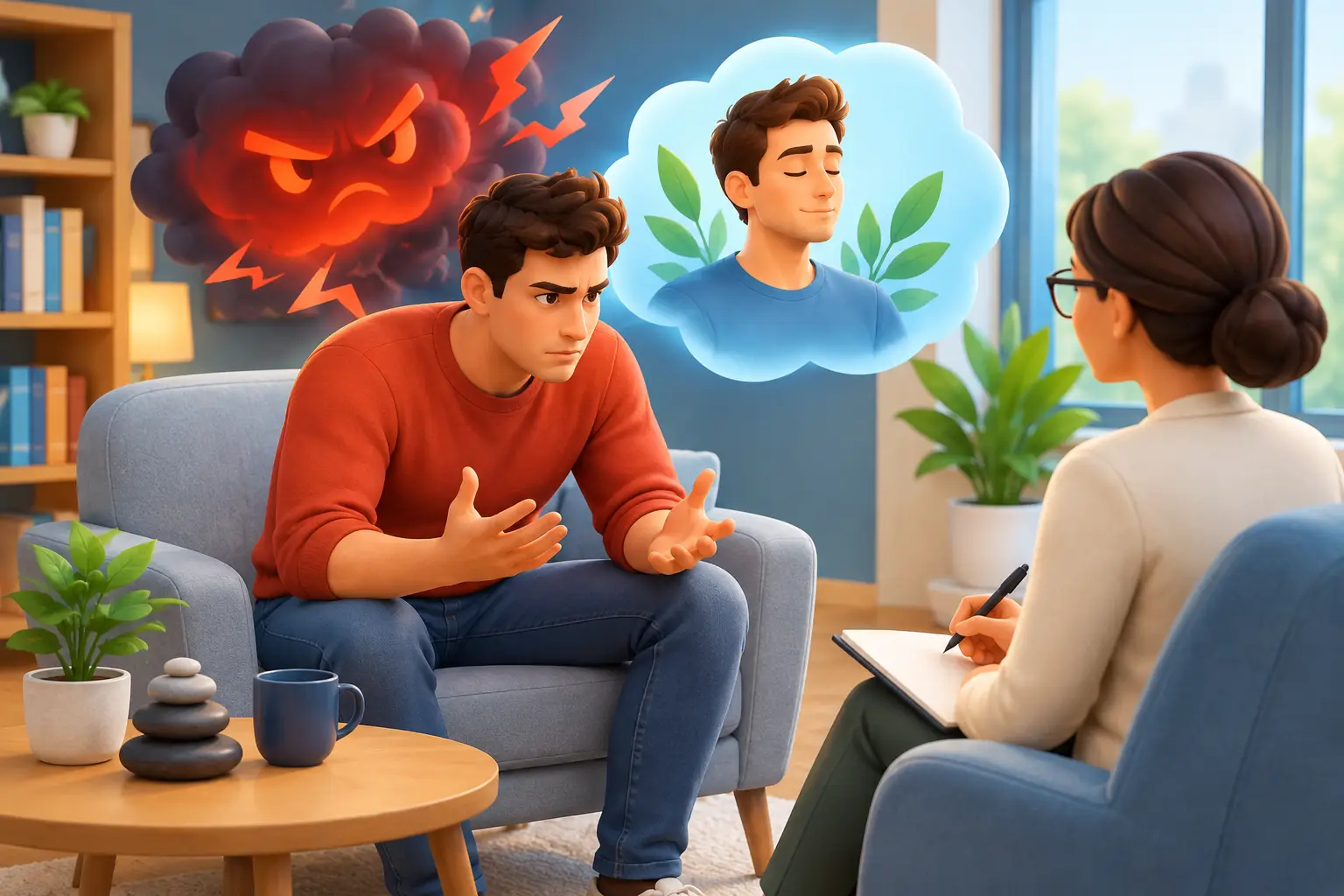
A psychologist is trained to understand how people think, feel, develop, cope, and relate. Psychologists commonly provide psychological assessment and therapy. Their work often centers on talking through patterns, identifying emotional triggers, building healthier coping strategies, and helping people understand themselves more clearly. In many settings, psychologists do not prescribe medication.
That does not mean one is "better" than the other. It means they serve different functions, and in many cases, the best care involves both.
What psychiatrists do
Psychiatrists approach mental health through a medical lens as well as a psychological one. They assess symptoms in the context of brain function, physical health, family history, medication effects, substance use, and risk factors. If someone is having panic attacks, for example, a psychiatrist may consider anxiety disorder, but also sleep deprivation, thyroid issues, medication side effects, or other medical causes.
Psychiatrists can diagnose conditions such as major depression, bipolar disorder, ADHD, obsessive-compulsive disorder, psychosis, and severe anxiety disorders. They may recommend medication when symptoms are intense enough to interfere with work, parenting, school, relationships, or basic daily life.
Medication is only one part of psychiatric care. A good psychiatric evaluation also looks at history, lifestyle, functioning, stressors, and treatment goals. Some psychiatrists provide psychotherapy as well, though many focus primarily on diagnosis, medical management, and treatment planning.
This can be especially helpful when symptoms feel overwhelming, when there are sudden changes in mood or behavior, or when someone has tried to cope on their own for a long time without relief.
What psychologists do
Psychologists usually work more deeply in the area of therapy, behavior, emotional patterns, and psychological testing. Their training helps them understand why a person may be reacting a certain way, how past experiences affect present behavior, and what kinds of interventions support lasting change.
In therapy, a psychologist may help a client work through trauma, grief, burnout, low self-esteem, family conflict, anger, or recurring relationship patterns. They may use structured evidence-based methods such as cognitive behavioral therapy, acceptance and commitment therapy, trauma-focused approaches, or other therapeutic models depending on the person's needs.
Psychologists also often conduct assessments. These may be used to better understand learning difficulties, attention concerns, developmental issues, personality patterns, emotional functioning, or diagnostic questions. For children and adolescents, this can be particularly valuable when parents are trying to understand school struggles, emotional outbursts, or social difficulties.
Therapy with a psychologist is not just for severe illness. Many people seek psychological support because they want better coping skills, healthier relationships, improved emotional regulation, or a clearer understanding of themselves.
When should you see a psychiatrist?
If symptoms are significantly affecting your ability to function, a psychiatric consultation may be the more immediate starting point. This includes situations where someone is struggling to get out of bed, cannot sleep for days, feels persistently hopeless, has rapid mood shifts, experiences paranoia or hallucinations, or has thoughts of self-harm.
A psychiatrist may also be the right first contact if you suspect medication could help, if previous treatment has not worked well, or if your symptoms appear to have both mental and physical aspects. For example, a person with extreme anxiety, heart racing, nausea, and panic may need a medical assessment alongside emotional support.
Parents may also be referred to psychiatry when a child or teenager has severe aggression, attention difficulties, self-harm, eating problems, or major changes in functioning.
Choosing psychiatry does not mean your problems are "more serious" in a stigmatizing sense. It simply means the medical side of mental health may need to be assessed.
When should you see a psychologist?
A psychologist is often a strong starting point when your main need is therapy, emotional insight, or behavioral support. If you feel stuck in anxious thinking, relationship cycles, grief, trauma responses, work stress, parenting strain, or low mood, therapy may be the most useful next step.
Psychologists are also well suited for people who want to understand patterns rather than only reduce symptoms. For instance, someone may not be in crisis but may keep experiencing the same conflicts, fears, or habits. Therapy can help uncover what is driving that pattern and what needs to shift.
If you are seeking an assessment for attention concerns, learning issues, developmental questions, or certain emotional and personality patterns, a psychologist may also be the right professional to consult.
For many people, psychology feels like a more approachable first step because it offers a space to talk openly, build insight, and develop tools without immediately focusing on medication.
Psychology vs psychiatry: the overlap matters too
Although the roles are different, psychology and psychiatry are not opposing paths. They often work best together.
A person with depression, for example, may benefit from psychiatric support to stabilize sleep, energy, and mood through medication, while also working with a psychologist to address negative thinking, unresolved grief, trauma, or relationship stress. One approach can reduce symptoms enough to make the other more effective.
The same is true for children, adolescents, adults, and older adults. Some people need therapy only. Some need medication only for a period of time. Many benefit from a combination, especially when symptoms are layered or have been present for years.
This is one reason integrated care can be so helpful. When professionals communicate within the same treatment framework, care tends to be more coordinated and less confusing for the client or family.
Common misunderstandings that delay treatment
One common misunderstanding is that psychiatrists only treat "serious mental illness" and psychologists only help with everyday stress. In reality, both work across a wide spectrum. A psychiatrist may help with moderate anxiety that is not improving. A psychologist may treat severe trauma or debilitating panic.
Another misconception is that seeing a psychiatrist automatically means you will be prescribed medication. Not necessarily. A psychiatric consultation may simply clarify what is happening and what options make sense.
People also sometimes assume therapy is only for talking about childhood or that it takes years before anything changes. Some therapy is long term, but much of it is practical, focused, and aimed at helping you function better now while also understanding the deeper picture.
The bigger risk is waiting too long because the labels feel confusing. If you are suffering, getting a professional opinion matters more than getting the category perfect on your own.
If you are still unsure where to start
If you are unsure whether psychology or psychiatry is right for you, look at the nature and intensity of your symptoms.
If your distress feels unmanageable, your functioning has dropped sharply, or there may be a biological or medication-related component, psychiatry may be the better first step. If you want support with emotions, behavior, coping, trauma, or life patterns, psychology may be the more natural entry point.
Sometimes the best answer is simply to contact a clinic that offers both and let a qualified team guide the triage process. At RE:Life Mental Health Clinic, that kind of coordinated support can reduce the pressure of having to figure everything out alone, especially when privacy and trust matter.
There is no gold star for choosing the right professional on the first try. What matters is reaching out, asking the question, and allowing someone trained to help you make sense of what you are experiencing.
The right care often begins with a simple conversation, not with certainty.


Comments