


Can Depression Be Treated Online?
- Donald Jesse Lim
- Jul 1
- 6 min read

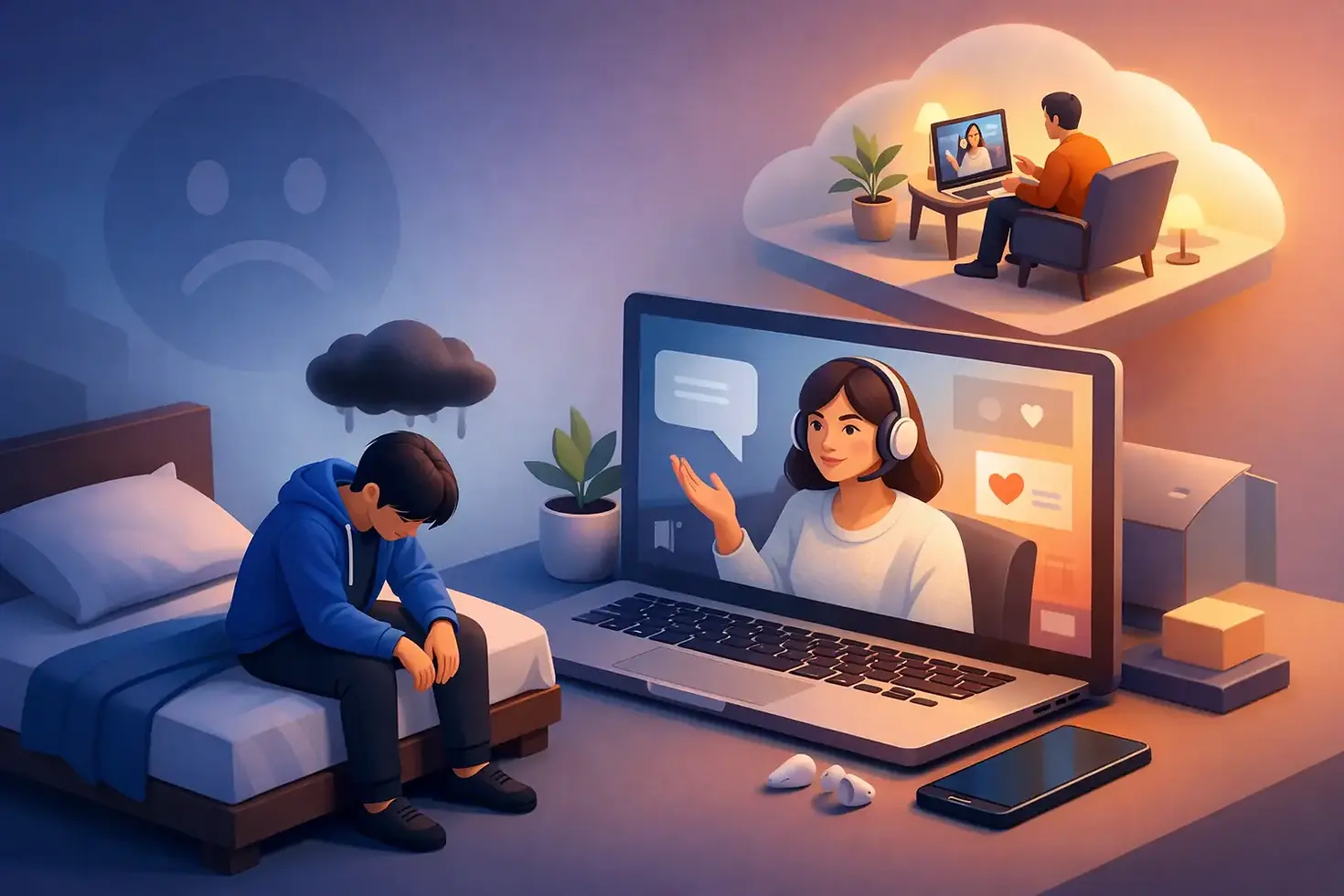
A lot of people ask this quietly before they ask it out loud: can depression be treated online? Usually the question is not just about technology. It is about privacy, trust, cost, time, and whether help will still feel real through a screen.
The short answer is yes, depression can often be treated online. For many people, virtual care is a practical and clinically appropriate way to begin treatment, continue treatment, or stay consistent with support. But the better answer is more specific than that. Online treatment works well for many forms of depression, many types of therapy, and many follow-up psychiatric appointments, yet it is not the right fit for every person or every level of risk.
Can depression be treated online for everyone?
Not in exactly the same way. Depression exists on a spectrum. Some people are dealing with persistent low mood, loss of interest, fatigue, irritability, sleep disruption, or difficulty functioning at work and at home. Others may be experiencing severe depression, suicidal thoughts, psychosis, self-neglect, or major impairment that requires urgent, intensive, or in-person support.
That distinction matters. Mild to moderate depression often responds well to online psychotherapy, counseling, and psychiatric review. In many cases, virtual sessions can be just as meaningful as office-based care, especially when the person has a private space, a stable internet connection, and a clinician who is experienced in online treatment.
More severe or complicated cases may still involve online care, but usually with tighter monitoring, stronger safety planning, and sometimes a recommendation for in-person assessment. If someone is at immediate risk of harming themselves, is unable to care for basic needs, or has symptoms that require physical observation and urgent intervention, online care alone is usually not enough.
What online depression treatment usually includes
Online treatment is not one single service. It can include therapy, psychiatric consultation, medication management, psychological support, and coordinated care over time.
Therapy is often the starting point. Evidence-based approaches such as cognitive behavioral therapy, interpersonal therapy, supportive psychotherapy, and other structured talk therapies can be delivered effectively by video. These sessions focus on understanding depressive patterns, reducing hopeless thinking, improving coping, rebuilding routines, and addressing the life stressors that may be maintaining the depression.
Psychiatric care can also be provided online in many cases. A psychiatrist may assess symptoms, review history, make a diagnosis, discuss treatment options, and monitor medications through scheduled virtual appointments. For people already taking antidepressants, follow-up visits online can make ongoing care much easier to maintain.
Some people benefit from a broader treatment model. Depression may overlap with anxiety, trauma, grief, burnout, parenting stress, relationship difficulties, chronic pain, or neurodevelopmental concerns. When care is coordinated across different professionals, treatment tends to be more personalized. That is one reason many clients prefer a clinic that can offer psychology, psychiatry, counseling, and other supportive options in one place.
Why online care helps some people start sooner
Depression often makes ordinary tasks feel heavy. Getting dressed, driving to an appointment, sitting in traffic, waiting in a public lobby, or taking time off work can all become barriers. For parents, caregivers, students, and professionals, these barriers are not small.
Online care removes some of that friction. People can attend sessions from home, from a private office, or even while living overseas. That flexibility helps with consistency, and consistency is one of the strongest predictors of progress in depression treatment.
Privacy also matters. Some people are not ready to be seen entering a clinic. Others live in households where mental health remains stigmatized. A discreet online appointment can feel safer and more manageable, especially for first-time help seekers.
There is also the simple emotional reality that speaking from a familiar space can make it easier to open up. Not for everyone, but for many people. When the first step feels less intimidating, treatment is more likely to begin.
What online treatment can do well
When online care is done properly, it can support accurate assessment, strong therapeutic relationships, medication follow-up, and structured recovery planning. Many people are surprised by how connected they feel once the session starts.
Virtual treatment is especially useful when the goals include building coping skills, tracking mood, improving sleep and routine, working through stressors, and monitoring progress over time. It can also work well for relapse prevention. Someone who has had depression before may use online sessions to address early warning signs before symptoms deepen.
For expatriates, international students, and people moving between countries, online care can also provide continuity. That continuity is valuable because depression tends to worsen when treatment is interrupted.
The limits of treating depression online
Online care has clear benefits, but it also has limits. If a person cannot speak freely at home, sessions may feel guarded or fragmented. If internet access is unreliable, the emotional flow of therapy can be disrupted. If someone is extremely withdrawn, cognitively slowed, intoxicated, or medically unwell, a video session may not provide enough information for safe care.
There are also moments when a clinician needs to observe more closely, coordinate urgent support, or recommend an in-person evaluation. Depression can sometimes sit alongside bipolar disorder, substance use, severe trauma, or medical conditions that require broader assessment. A careful provider will not force every case into an online-only model.
This is where clinical judgment matters more than convenience. Good care is not about insisting that virtual treatment fits everyone. It is about matching the treatment setting to the person.
How to know if online depression treatment is appropriate
A proper first assessment should answer that question. A qualified clinician will ask about mood, sleep, appetite, energy, concentration, functioning, medical history, risk, substance use, family history, and whether there are thoughts of self-harm or suicide. They should also explain confidentiality, the limits of confidentiality, and what happens if safety concerns arise.
If the recommendation is online therapy, online psychiatry, or a combination of both, that decision should feel reasoned rather than rushed. If the clinician advises in-person care instead, that is not a rejection of online treatment. It is a sign that safety and fit are being taken seriously.
For families seeking help for adolescents or older adults, the assessment may also need to consider developmental stage, family involvement, technology comfort, and the person’s ability to engage meaningfully through a screen.
Choosing a provider you can trust
The quality of online depression treatment depends heavily on who is providing it. Look for a fully licensed mental health clinic or practitioner who works within a clear clinical framework. Credentials matter. So do privacy practices, appointment procedures, and the ability to offer more than one level of care if needs change.
It helps when a clinic can provide multidisciplinary support. Depression does not always stay in neat categories, and treatment may need to involve psychotherapy, psychiatric review, family guidance, or additional therapeutic support. At RE:Life Mental Health Clinic, this integrated model is part of what helps clients move from uncertainty to a more practical and personalized care plan.
Language and cultural understanding are also important. People speak more honestly when they feel understood, not just linguistically but socially and emotionally. For multicultural clients and families, that can shape the entire treatment experience.
What a first online session should feel like
It should feel clear, respectful, and structured. You do not need to arrive with the right words or a polished explanation. A good clinician will help organize what has been happening and what kind of support may help.
The first session is usually focused on understanding symptoms, their duration, their severity, and their impact on daily life. You may be asked about previous treatment, medications, health conditions, major stressors, and what you are hoping will change. If appropriate, the clinician may suggest a treatment plan that includes weekly therapy, psychiatric review, or both.
You should also leave with a sense of next steps. Not false reassurance, and not vague encouragement. Real next steps.
So, can depression be treated online?
Yes, often very effectively. But the real question is whether your depression can be treated online safely and well, with the right level of care, by the right professional, in a setting that protects your privacy and supports follow-through.
That answer depends on symptom severity, risk level, access to a private space, and the quality of the provider. For many people, online treatment is not a second-best option. It is the option that finally makes care possible.
If you have been waiting because you were unsure whether virtual care would count as real treatment, it may help to think of it this way: what matters most is not whether support begins in a room or on a screen. What matters is that it begins.


Comments